

Menu 


Arrival in Sofia. Transfer to the hotel and accommodation. Panoramic tour of the capital’s center including: the Rotunda of St. George (4th century), the National Archaeological Museum, the National Theatre, the Russian Church of St. Nicholas, the Parliament Square, the Alexander Nevsky Memorial Cathedral with its valuable icon collection, the St. Sofia Church, etc. Rest of the afternoon free. Overnight in Sofia.
After breakfast, visit to the Boyana Church. The church is located 8 km from the city center. The architectural complex consists of a small 10th-century church and another two-storey structure dating from the 13th century. Its exceptional cultural importance is due mainly to its famous frescoes, which, according to an inscription, were painted in 1259. Rest of the afternoon free. Overnight in Sofia.
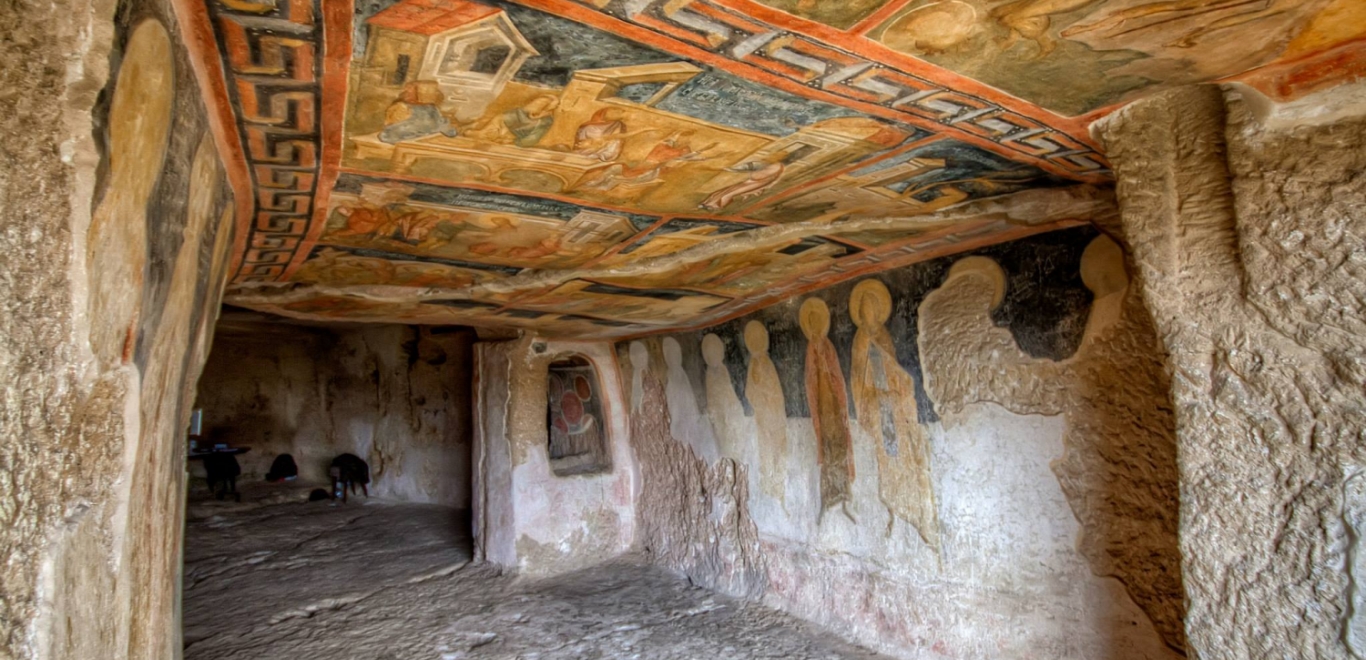
Departure to the Rock-Hewn Churches of Ivanovo. On the way, visit to the Pleven Panorama—a monument created as a memorial to the most epic battle of the Russo-Turkish Liberation War. Continue with a visit to the Rock-Hewn Churches, listed by UNESCO. At sunset arrival in Ruse, an important Danube port famous for its historic center, called “Little Vienna.” Accommodation and overnight in Ruse.
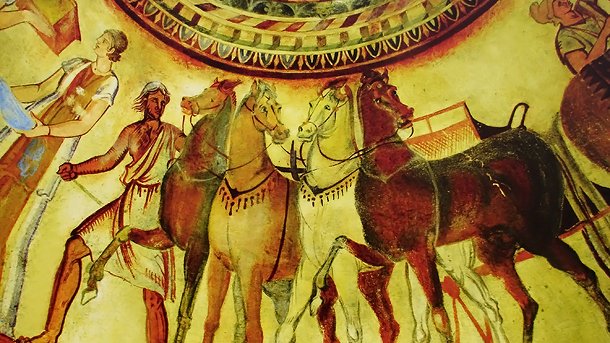
After breakfast, departure to the Thracian Tomb of Sveshtari, listed as a UNESCO World Heritage Site and famous for its extraordinary decoration. Continue to Pliska, the first capital of the Bulgarian kingdom, and the remains of its fortifications. Afterwards, departure to the Madara Rider (UNESCO). In the afternoon arrival in Varna—the third largest Bulgarian city in size and importance. Accommodation and overnight in Varna.


Breakfast. Tour of the cosmopolitan city of Varna. Visits include the Ancient Roman Baths, the Catholic Cathedral dating from the 17th century, the History Museum, the Sea Garden, etc. Rest of the afternoon free. Overnight in Varna.
After breakfast, departure to Nesebar, whose Old Town is a UNESCO World Heritage Site. The Old Town occupies a peninsula in the sea. It is famous for its more than 41 churches, the oldest dating from the 5th century. The city is considered to have the best beaches in Bulgaria. It was also a Thracian settlement before becoming a Greek colony, and the remains from the Hellenistic period include an acropolis, the Temple of Apollo, and part of the Thracian fortifications. From the medieval era, the Mitropolia and the Fortress are preserved. Among the many churches, the Church of St. Stephen stands out, its interior covered with magnificent 16th-century frescoes. Return to Varna for overnight.
Departure to Veliko Tarnovo. Afternoon arrival and accommodation in the hotel. Tour with a visit to the Tsarevets Royal Hill and Fortress. Walk through the medieval craft market Samovodska Charshia. Overnight in Veliko Tarnovo.
After breakfast, continue toward the Valley of the Roses. En route, stop at the Etara Open-Air Ethnographic Museum—an artisan town built in the 1960s showcasing crafts from the 18th and 19th centuries. In the workshops visitors can see copper forging, goldsmithing, weaving and carpet-making, crafting of musical instruments, handmade knives, etc. The Balkan Mountains are crossed via the Shipka Pass, offering spectacular views. In the village of Shipka, visit the famous Russian church whose golden domes are visible from Kazanlak. Arrival in Kazanlak, located in the heart of the Valley of the Roses. A few kilometers from the city center is the famous Thracian Tomb, dating from the late 4th century BC, discovered accidentally in 1944. Visitors enter an identical replica built in 1974. The tomb is covered with frescoes depicting battle scenes. The whole complex is characteristically Hellenistic and the richest found in Ancient Thrace. UNESCO considers it a World Cultural Heritage Site. Overnight in Kazanlak.
In the morning, departure to Plovdiv. Tour of the Old Town. Visitors can walk its narrow streets, visit the remains of the walls and the Roman Theatre, as well as picturesque 17th–18th century houses, the Church of Saints Constantine and Helena, the Ethnographic Museum, and the Hindliyan and Balabanov house-museums. Overnight in Plovdiv.
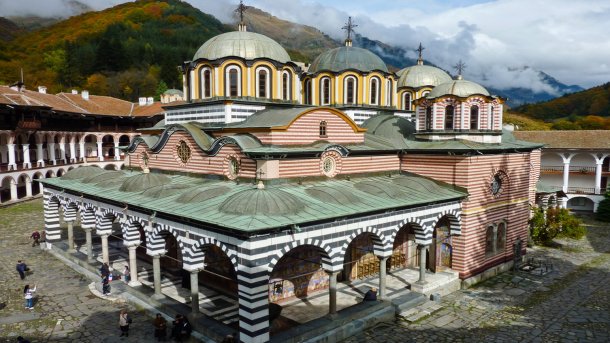
Transfer to the Rila Monastery, declared a UNESCO World Heritage Site. It is the largest and most important among the 120 monasteries in Bulgaria. It resembles a fortress with two gates. It was founded at the beginning of the 10th century by the hermit Ivan. From that time only the Hrelyo Tower and the Monastery Kitchen remain. The visit begins with the Museum, where old icons, gospels, silver reliquaries, and liturgical objects are displayed. In the afternoon arrival in Sofia and accommodation in the hotel.
Free time and transfer to the airport.
44, Pop Bogomil Str. 1202 Sofia, Bulgaria
E-mail: office@alexandertour.com
Tel: (+359) 878 41 41 33
Our working time is:
Monday-Friday
from 09:30 till 18:30